

Michael Drake’s Mask Ban Endangers More Than Just Protesters
Neither Drake’s statement nor UCLA’s policy mention the marginalized students harmed by the decree against masks, or the harms historically perpetrated by disproportionate police violence against these communities.


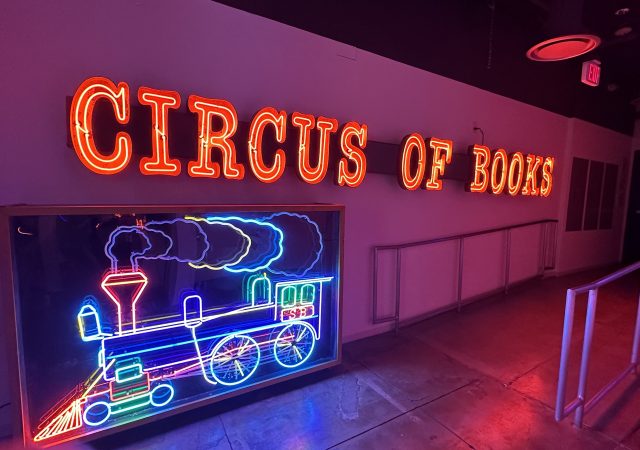
Queer Neon Lights: A Light in the Dark at the Museum of Neon Art
Although the Museum of Neon Art may be a small piece of the Los Angeles area art scene, it can be a light in the dark for many. In a time where so many queer spaces are moving online, MONA is a small queer refuge in the heart of a busy city that works to maintain the legacy of queer spaces that came before it.


Michael Drake’s Mask Ban Endangers More Than Just Protesters
Neither Drake’s statement nor UCLA’s policy mention the marginalized students harmed by the decree against masks, or the harms historically perpetrated by disproportionate police violence against these communities.



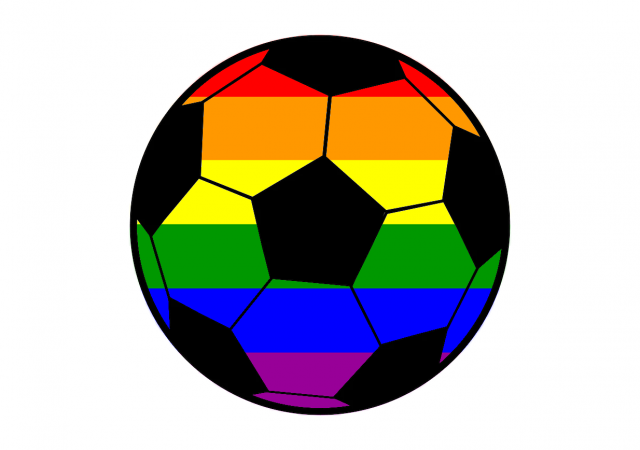
FIFA Banned Rainbow Armbands at the World Cup: Here’s How Players Showed Pride Instead
In late June, eight armband designs were revealed that 2023 FIFA World Cup players could choose to wear on the pitch, including “Unite For Indigenous Peoples,” in partnership with United Nations Human Rights, and “Unite For Ending Violence Against Women,” in partnership with UN Women. However, despite the tournament’s theme of “Football Unites the World,” FIFA banned the “OneLove” armband or any armbands including Pride Flag imagery. This is ostensibly without reason; unlike Qatar which hosted the 2022 World Cup, the 2023 host countries Australia and New Zealand don’t criminalize LGBTQ+ people. Players receive a yellow card — a warning that could bar future participation — for wearing rainbow armbands, as was the case at the 2022 World Cup in Qatar.
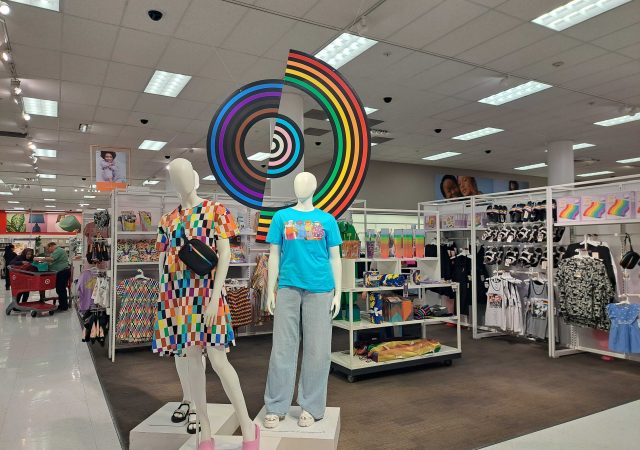
Performative Pride, Capitalism and Conservative Hate: The Downfall of the Target Pride Collection
“What do you mean they’re out of stock in all sizes? I’m wearing it,” I grumbled from the confines of a Target fitting room. My girlfriend was trying to find me a different size of the bright green Pride jumpsuit that has circulated TikTok, but, as we looked for more of the Pride collection items in different sizes, it became evident that many weren’t available online for pickup, delivery or shipping, despite being available in very small quantities in Westwood’s City Target.
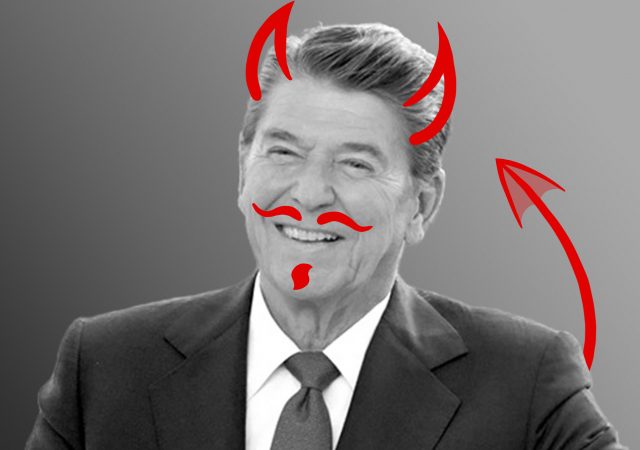
Ronald Reagan and Creating the Conditions for Satanic Panic
The Satanic Panic almost perfectly coincides with former-President Reagan’s term, beginning in 1980 and dying out by the early 1990s while Reagan’s presidency lasted from 1981 to 1989. While Reagan himself did not acknowledge the moral panic, he created the perfect conditions for it and knew how to champion himself as its hero.
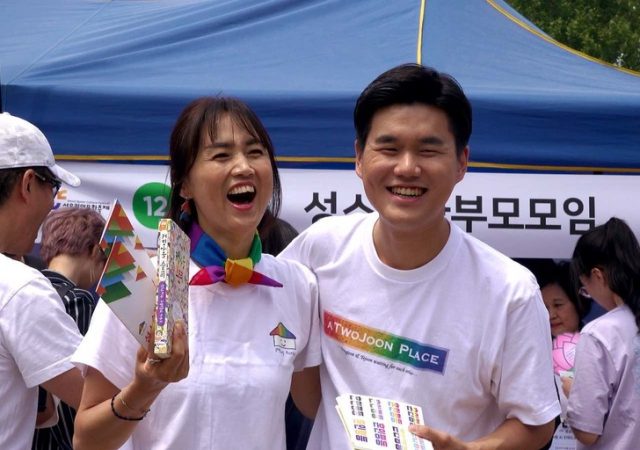
Being My Mother’s Son: A Review of Queer Korean Documentary “Coming to You”
On May 5, 2023, UCLA screened “Coming to You” (“한글: 너에게 가는 길”) directed by Gyu-ri Byun (she/her), a groundbreaking Korean documentary about the mothers of queer adults in Korea. The documentary centers on the mothers, Nabi (she/her) and Vivian (she/her), who are members of PFLAG Korea (Parents, Families and Allies of LGBTAIQ+ People in Korea). Both women are cisgender and heterosexual. Prior to their children coming out to them, they held little to no knowledge about the queer community and harbored discriminatory opinions about queerness. Nonetheless, the documentary made no excuses for their past queerphobia and followed their journeys into wholehearted queer activism.
Dodging a Bullet Straight into a Bat: The Dodgers Pride Night Controversy
Throughout May, the Los Angeles Dodgers have invited, disinvited, and re-invited the Sisters of Perpetual Indulgence, a group of queer and trans nuns, to their Pride Night on June 16. Pride Month is only just knocking a jaunty rhythm on our door, but the LGBTQ+ community is already facing exhaustion and backlash for corporations and large organizations attempts at inclusivity.
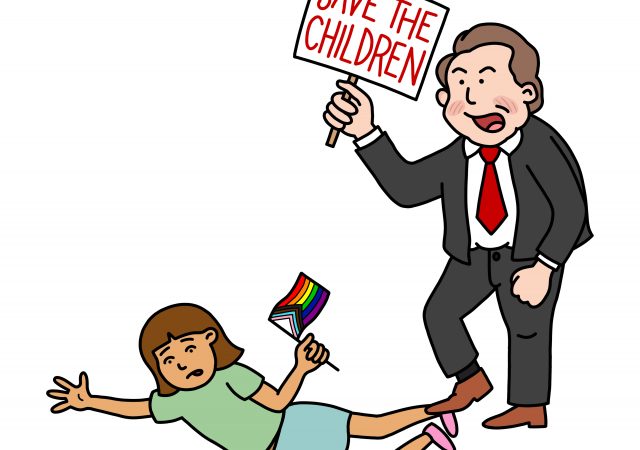
Think of the (Straight) Children
In 1977, orange juice spokeswoman Anita Bryant campaigned against a new anti-discrimination law protecting gay men and lesbians in Dade County, Florida. She had it overturned and riding on the wave of this success, started Save Our Children, the United States’ first national anti gay group.

The Queen of Lips and the Beauty of Drag
Have you ever heard the term “dinner and a show?” Now imagine drinking from a fishnet and stiletto adorned leg over 12 inches tall, followed by a three course meal, a stack of dollar bills in your hand. This is the experience of Lips Drag Palace.